Key Takeaways
- Follow Tacoma and Washington rent-increase notice requirements, including city forms and the required state notice.
- Create written screening standards and apply them consistently to every applicant.
- Return or account for security deposits within the required Washington deadline.
- Use dated move-in and move-out photos to document property conditions.
- Explain relocation assistance rights when a rent increase reaches Tacoma's applicable threshold.
Managing a rental property in Tacoma requires attention to federal, state, and local housing rules. Landlords need to follow requirements for screening, leases, deposits, rent increases, maintenance, and notices throughout the rental relationship.
Windermere Property Management has worked with Pierce County rental owners since 2006 and understands the importance of organized compliance practices.
This checklist covers key steps Tacoma landlords should review before and during a tenancy. Because laws and local requirements can change, owners should confirm current rules with the appropriate government agency or qualified legal professional.
Tenant Screening: Document Your Standards
Start with clear, written screening criteria before accepting applications. Using the same standards for each applicant helps keep the process consistent and organized.

At Windermere Property Management, our screening standards include credit requirements, a 3:1 income-to-rent ratio, rental history verification, and a criminal history review. We do not accept co-signers, and renter's insurance is required under its management standards.
When reviewing an application, verify the information provided using reliable documents and screening services. Income may be confirmed through pay stubs, tax documents, or employment verification.
Rental history can also be checked using the information provided by the applicant.
Keep records of how each application was reviewed and why a decision was made. Screening must also follow fair housing laws. When starting with a solid screening process, it establishes clear expectations with your potential tenants.
Fair Housing Compliance and Required Disclosures
Fair housing rules apply throughout the rental process. Tacoma landlords should use the same written screening process for all applicants and keep clear records of each application.

Washington also requires landlords to provide certain information about the rental. This includes the owner's name and address, where rent should be sent, and the name and address of anyone authorized to manage the property.
Residents may also have the right to request an inspection after moving in.
Other disclosures may apply depending on the property. These can include Washington residential tenancy information and lead-based paint disclosures for qualifying homes.
Review the required documents before the lease is signed so everyone has the information they need.
Lease Documentation and Term Requirements
A written lease gives both the owner and resident a clear record of the rental terms. Use a lease that follows current Washington law and clearly explains the property's rules and responsibilities.
Our professionals commonly use 12-month leases. The rental agreement should cover the rent amount, due date, security deposit, utilities, maintenance responsibilities, property rules, and lease term.
Depending on the property, the lease may also include rules for pets, smoking, parking, yard care, and other property requirements. Be sure to explain how rent should be paid and what conditions apply when the lease ends.

Tacoma landlords should include any city-required addenda with the lease. It is also helpful to review lease forms regularly so future agreements reflect changes to state and local requirements.
Move-In Inspection
A move-in inspection gives owners and residents a shared record of the property's starting condition. Before or when the resident moves in, walk through the home and document its condition carefully.
Take dated photos of each room and note existing marks, stains, wear, or maintenance concerns. Give the resident any required inspection information and keep a copy with your property records.
This documentation can make the move-out process much easier because there is a clear starting point for comparison. It can also help everyone understand which conditions were already present when the tenancy began.
Security Deposit Handling
Security deposits must be handled according to Washington law and the lease.
This includes following current requirements for how deposits are stored, any applicable interest, and required disclosures.
Keep security deposit funds separate from regular operating funds.
Rent Increase Notices: Tacoma and HB 1217 Compliance
Rent increases in Tacoma may involve both city and Washington state requirements. Tacoma has its own notice periods and forms, while Washington's HB 1217 established statewide rules for covered rent increases.
Before sending a rent-increase notice, check the current limits, required notice period, forms, and effective date. Washington generally requires at least 90 days' written notice for a rent increase, while Tacoma may require additional notices.
A simple renewal calendar can help owners keep track of these dates. Record when each notice needs to be prepared and delivered, along with the date the new rent would take effect.

Our team uses organized renewal procedures to help owners keep important dates and required notices on track.
Relocation Assistance and Resident Rights
Tacoma's Landlord Fairness Code includes relocation assistance rules tied to certain rent increases. When a qualifying increase reaches the applicable threshold, the resident may have the option to receive relocation assistance.
The amount and requirements depend on the size of the increase and the current Tacoma rules. Rent-increase notices should clearly explain any applicable relocation assistance rights and how a resident can make an election.
Because local requirements can change, check the current Tacoma forms and rules before sending a notice.
Move-Out Inspection
A move-out inspection helps owners compare the property's condition with the move-in records. Take dated photos and make notes about the condition of the home after the resident leaves.
Normal wear and tear is a normal part of owning an investment property. If there is damage beyond normal wear, review the lease and Washington law before making a deduction.
Keep copies of repair estimates, invoices, cleaning records, and other documents that support any permitted charges.
Deposit Return
Washington law generally requires landlords to return the security deposit or provide the required itemized statement within the applicable deadline after the tenancy ends.
Check the current requirements and make sure all required information is provided.
Eviction Notice and Cold-Weather Protections
If a resident falls behind on rent, the landlord must follow Washington's notice and court requirements. The type of notice needed depends on the situation.
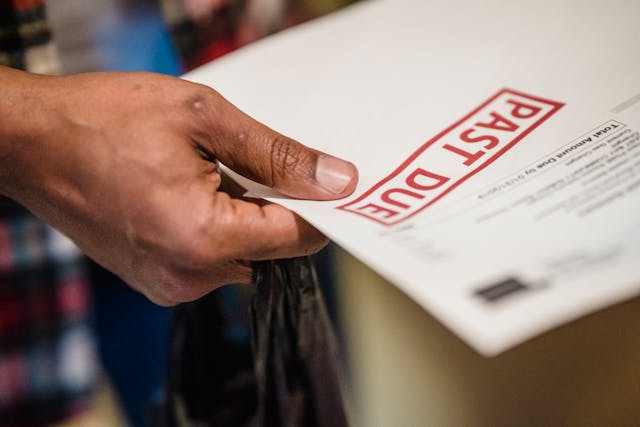
A proper notice should clearly explain what is owed and what steps the resident can take.
Tacoma also has local protections that may affect the timing or process of an eviction during colder months.
Certain residents may have additional protections based on their circumstances, and Washington law includes protections that may apply to some students.
Because eviction rules can be detailed, review the current state and Tacoma requirements before taking action. When needed, working with a qualified legal professional can help clarify the proper process.
Habitability Standards and Maintenance Obligations
Rental homes must meet Washington's basic habitability standards.
This includes working plumbing and hot water, adequate heat, weather protection, safe electrical systems, and compliance with applicable building requirements.
Set up a clear way for residents to submit maintenance requests and keep records of the work completed. These records can include the original request, inspection notes, invoices, photos, and completion dates.
Business License and Local Registration
Tacoma rental owners should stay current with the city's licensing and registration requirements.
Check the current Rental Business License rules and make sure the property remains properly registered.
Property owners should also check for other rules that may apply to the home. For example, condos and properties in an HOA may have rental restrictions or additional requirements.

Keeping licenses, registrations, leases, notices, and other important records together can make it easier to manage the property and stay aware of upcoming requirements.
Having a property manager can also help keep these documents organized and ensure deadlines, renewals, and legal responsibilities are handled on time.
Conclusion
Good compliance starts with having clear processes and keeping accurate records throughout the rental relationship.
From screening and lease preparation to maintenance, rent increases, deposits, and local licensing, each step is part of managing a Tacoma rental responsibly.
Windermere Property Management can help owners organize these responsibilities and manage the ongoing needs of a rental property.
Frequently Asked Questions
What Should Tacoma Landlords Review Before Increasing Rent?
Before increasing rent, review the current Washington rent-increase limits, required notice period, Tacoma's local notice requirements, and the forms that must be provided to the resident.
Landlords should also determine whether the proposed increase creates relocation assistance rights under Tacoma's rules. Keep a record of the proposed increase and all required notice dates.
Because state and local rental laws can change, confirm the requirements that apply when the notice is prepared and delivered.
How Should Landlords Document Security Deposits?
Start with a detailed move-in inspection that records the property's condition in writing and with dated photographs.
Note the condition of walls, floors, appliances, fixtures, and other areas throughout the home.
Complete a similar inspection at move-out and compare both records. If deductions are allowed under Washington law, provide the required itemized statement and supporting information within the required timeframe.
Keep copies of inspections, photographs, invoices, and deposit records with the property's other documents.
What Is the Difference Between Normal Wear and Damage?
Normal wear is the expected change that happens through ordinary use and the passage of time. Examples may include minor scuffs, small nail holes, or gradual fading.
Damage is a condition that goes beyond normal use and may require repair or replacement. Landlords should compare the property's move-in and move-out condition when making this determination.
Dated photographs, written inspection notes, repair records, and invoices can provide useful documentation when evaluating whether a deduction is appropriate.
Does Tacoma Have Special Rent-Increase Requirements?
Yes. Tacoma has local rent-increase requirements in addition to Washington state rules.
Depending on the proposed increase, landlords may need to provide specific city notices, follow required timelines, use Tacoma forms, and explain the resident's rights to relocation assistance.
State requirements may also apply to the amount and timing of the increase.
Before sending a notice, review both sets of requirements and confirm the applicable deadlines. Keeping a renewal calendar can help landlords track each required notice.
What Should Landlords Keep in Their Rental Records?
Landlords should keep important records throughout the rental relationship.
These may include applications, screening documentation, leases, addenda, rent-increase notices, inspection reports, dated photographs, maintenance requests, invoices, deposit records, and communications related to the property.
Keep records in an organized system and retain them for the period required by applicable law.
Complete records can help owners track the property's history, support consistent management practices, and provide documentation if a question about the tenancy arises.